Subscriber Content
Add content here that will only be visible to your subscribers.
Subscribe for more…
Top 10 Mistakes Every Beginner Trader Must Avoid

Trading in financial markets such as stocks, forex, or crypto can be exciting and potentially profitable. However, most beginners lose money not because the market is impossible to beat, but because they make avoidable mistakes. New traders often enter the market with unrealistic expectations, little planning, and emotional decision-making.
If you want to survive and succeed in trading, avoiding common beginner mistakes is essential. Below are the top 10 mistakes every beginner trader must avoid and practical tips on how to overcome them.
1. Overtrading
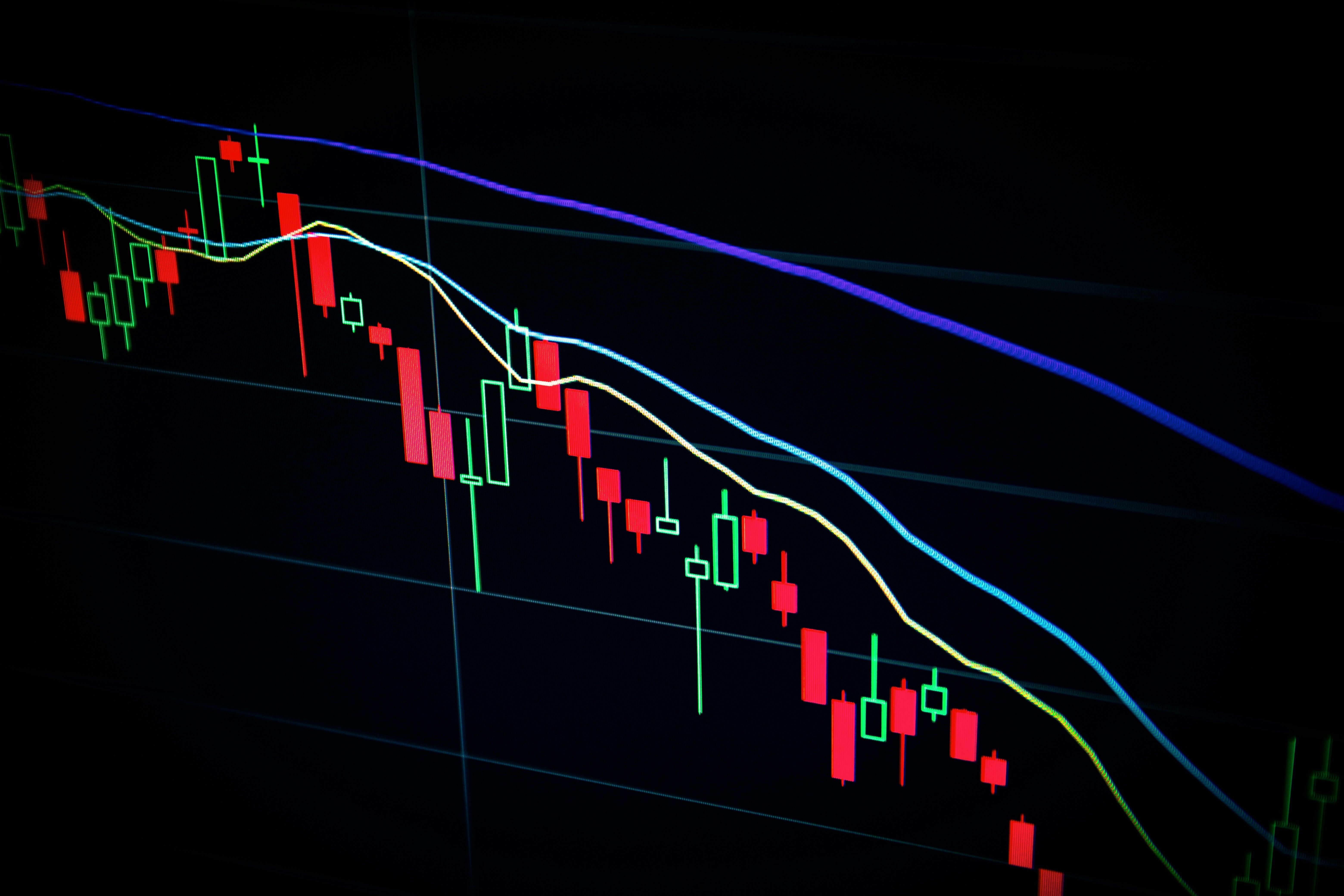
Overtrading is one of the most common mistakes beginners make. Many traders believe that the more trades they take, the more money they will make. In reality, excessive trading usually leads to higher losses.
Overtrading happens when traders:
- Take trades without proper analysis
- Trade out of boredom
- Try to recover losses quickly
- Enter multiple positions simultaneously
Every trade carries risk. When you trade too frequently, transaction costs increase and emotional decisions start to dominate your strategy.
Solution: Focus on quality trades rather than quantity. Develop a trading plan and only take trades that meet your criteria.
2. Trading Without a Stop Loss

Not using a stop loss is like driving a car without brakes. A stop loss protects your capital by limiting how much you can lose on a single trade.
Beginner traders often avoid stop losses because they hope the market will eventually return in their favor. Unfortunately, markets can move against you for a long time, turning a small loss into a devastating one.
Professional traders always protect their capital first. They understand that losses are part of the trading process.
Solution:
- Always set a stop loss before entering a trade
- Risk only a small percentage of your capital (1–2%) per trade
- Accept small losses instead of risking large ones
3. Emotional Trading

Emotions are one of the biggest enemies of traders. Fear, greed, excitement, and frustration can all lead to poor decisions.
Some examples of emotional trading include:
- Entering a trade because of excitement
- Holding losing trades due to hope
- Closing profitable trades too early because of fear
- Revenge trading after a loss
Markets reward discipline and punish emotional behavior.
Solution:
- Create a clear trading plan
- Follow strict risk management rules
- Take breaks after losing trades
- Keep a trading journal
4. Following Random Tips
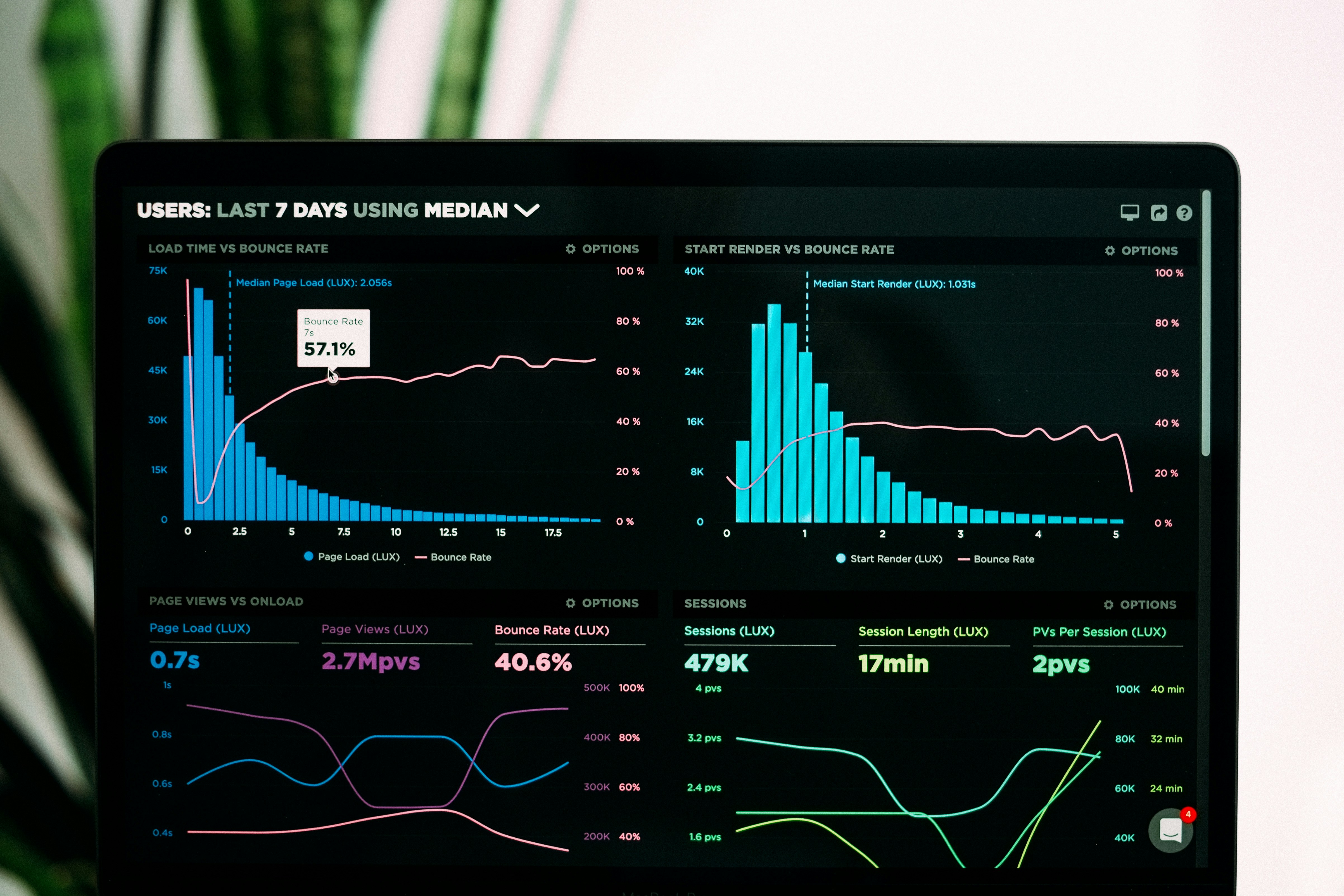
Many beginner traders rely on tips from social media, Telegram groups, or friends. While some tips might occasionally work, relying on them consistently is extremely risky.
The problem with tips is that you often don’t know:
- Who is giving the advice
- What analysis they used
- Their risk management strategy
- When they will exit the trade
Professional traders build their own systems and rely on research rather than rumors.
Solution: Learn technical analysis, fundamental analysis, and develop your own strategy instead of blindly following others.
5. Lack of a Trading Plan
Trading without a plan is essentially gambling. A trading plan defines:
- Entry conditions
- Exit strategy
- Stop loss placement
- Position sizing
- Risk tolerance
Without a plan, traders rely on guesswork and emotions.
Solution: Write down a clear trading plan and follow it consistently.
6. Ignoring Risk Management
Many beginners focus only on profits and ignore risk. However, successful trading is more about protecting capital than making huge gains.
Even the best trading strategies lose trades regularly. Proper risk management ensures that a few bad trades do not wipe out your account.
Solution:
- Never risk more than 1–2% per trade
- Diversify trades
- Use proper position sizing
7. Lack of Patience
Markets don’t always provide trading opportunities. Beginners often force trades because they feel they must always be active.
However, patience is a key trait of successful traders. Waiting for the right setup can dramatically improve your trading results.
8. Overconfidence After Wins
After a few successful trades, beginners often become overconfident. They start increasing position sizes or ignoring their rules.
This usually leads to large losses that erase previous profits.
Solution: Treat every trade with the same level of discipline.
9. Not Learning from Mistakes
Many traders repeat the same mistakes because they never review their trades. A trading journal helps identify patterns in your decision-making.
By analyzing your past trades, you can improve your strategy and eliminate bad habits.
10. Unrealistic Expectations
Many beginners believe trading will make them rich quickly. In reality, consistent profitability takes years of learning and practice.
Professional traders spend significant time studying markets, testing strategies, and managing risk.
Solution: Focus on steady improvement rather than quick profits.
Final Thoughts
Trading success is not about predicting every market move perfectly. Instead, it comes from discipline, risk management, patience, and continuous learning.
If you can avoid the mistakes discussed above—especially overtrading, emotional decisions, ignoring stop losses, and following random tips—you will already be ahead of most beginner traders.
Remember: The goal in trading is not to win every trade, but to protect your capital and grow it steadily over time.
Leave a Reply