Tag: stocks

  • Top 10 Mistakes Every Beginner Trader Must Avoid

    Subscriber Content

    Add content here that will only be visible to your subscribers.

    Subscribe for more…

    Top 10 Mistakes Every Beginner Trader Must Avoid

    trading charts

    Trading in financial markets such as stocks, forex, or crypto can be exciting and potentially profitable. However, most beginners lose money not because the market is impossible to beat, but because they make avoidable mistakes. New traders often enter the market with unrealistic expectations, little planning, and emotional decision-making.

    If you want to survive and succeed in trading, avoiding common beginner mistakes is essential. Below are the top 10 mistakes every beginner trader must avoid and practical tips on how to overcome them.


    1. Overtrading
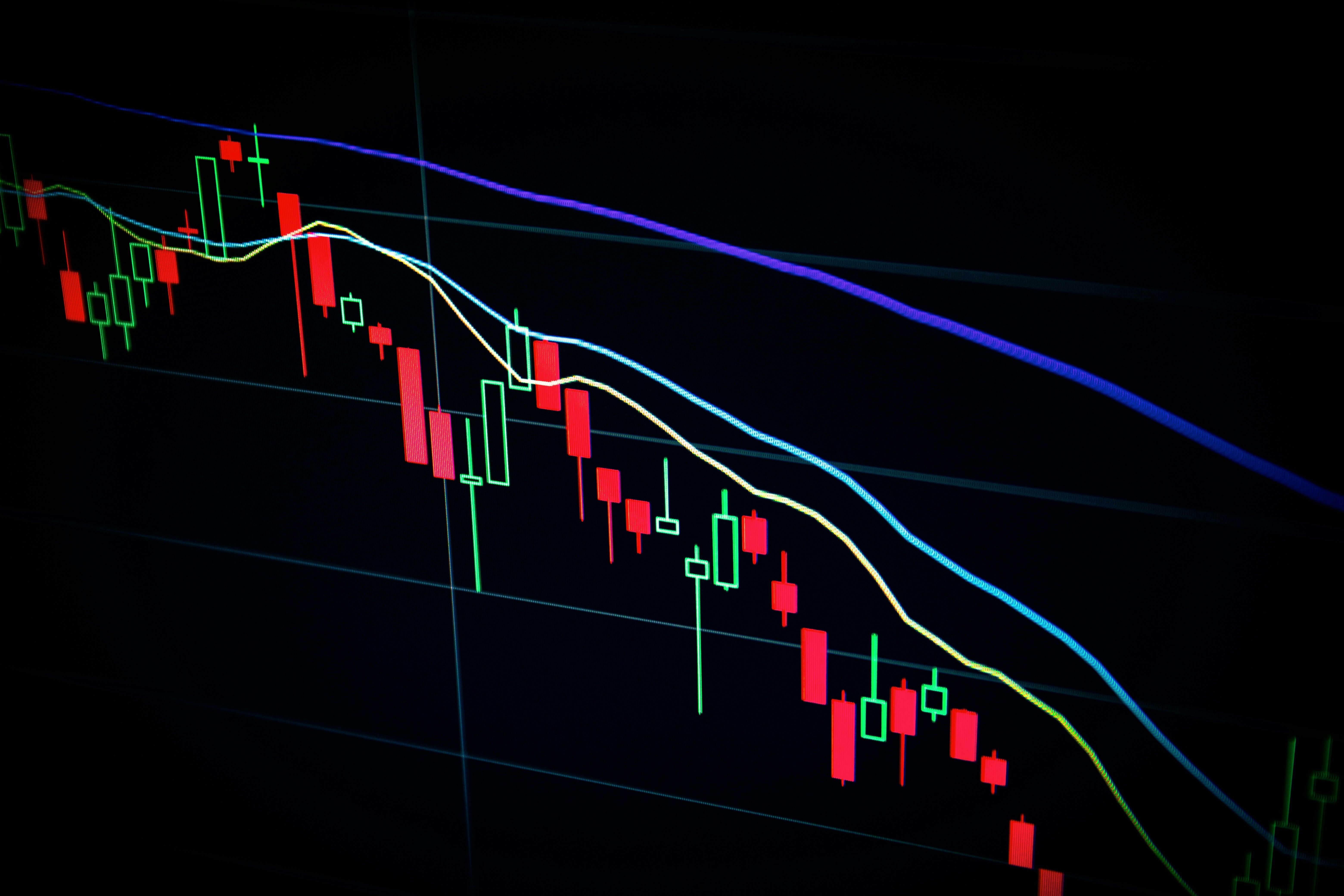
    trading screens

    Overtrading is one of the most common mistakes beginners make. Many traders believe that the more trades they take, the more money they will make. In reality, excessive trading usually leads to higher losses.

    Overtrading happens when traders:

    • Take trades without proper analysis
    • Trade out of boredom
    • Try to recover losses quickly
    • Enter multiple positions simultaneously

    Every trade carries risk. When you trade too frequently, transaction costs increase and emotional decisions start to dominate your strategy.

    Solution: Focus on quality trades rather than quantity. Develop a trading plan and only take trades that meet your criteria.


    2. Trading Without a Stop Loss

    risk management trading

    Not using a stop loss is like driving a car without brakes. A stop loss protects your capital by limiting how much you can lose on a single trade.

    Beginner traders often avoid stop losses because they hope the market will eventually return in their favor. Unfortunately, markets can move against you for a long time, turning a small loss into a devastating one.

    Professional traders always protect their capital first. They understand that losses are part of the trading process.

    Solution:

    • Always set a stop loss before entering a trade
    • Risk only a small percentage of your capital (1–2%) per trade
    • Accept small losses instead of risking large ones

    3. Emotional Trading

    trader stress

    Emotions are one of the biggest enemies of traders. Fear, greed, excitement, and frustration can all lead to poor decisions.

    Some examples of emotional trading include:

    • Entering a trade because of excitement
    • Holding losing trades due to hope
    • Closing profitable trades too early because of fear
    • Revenge trading after a loss

    Markets reward discipline and punish emotional behavior.

    Solution:

    • Create a clear trading plan
    • Follow strict risk management rules
    • Take breaks after losing trades
    • Keep a trading journal

    4. Following Random Tips
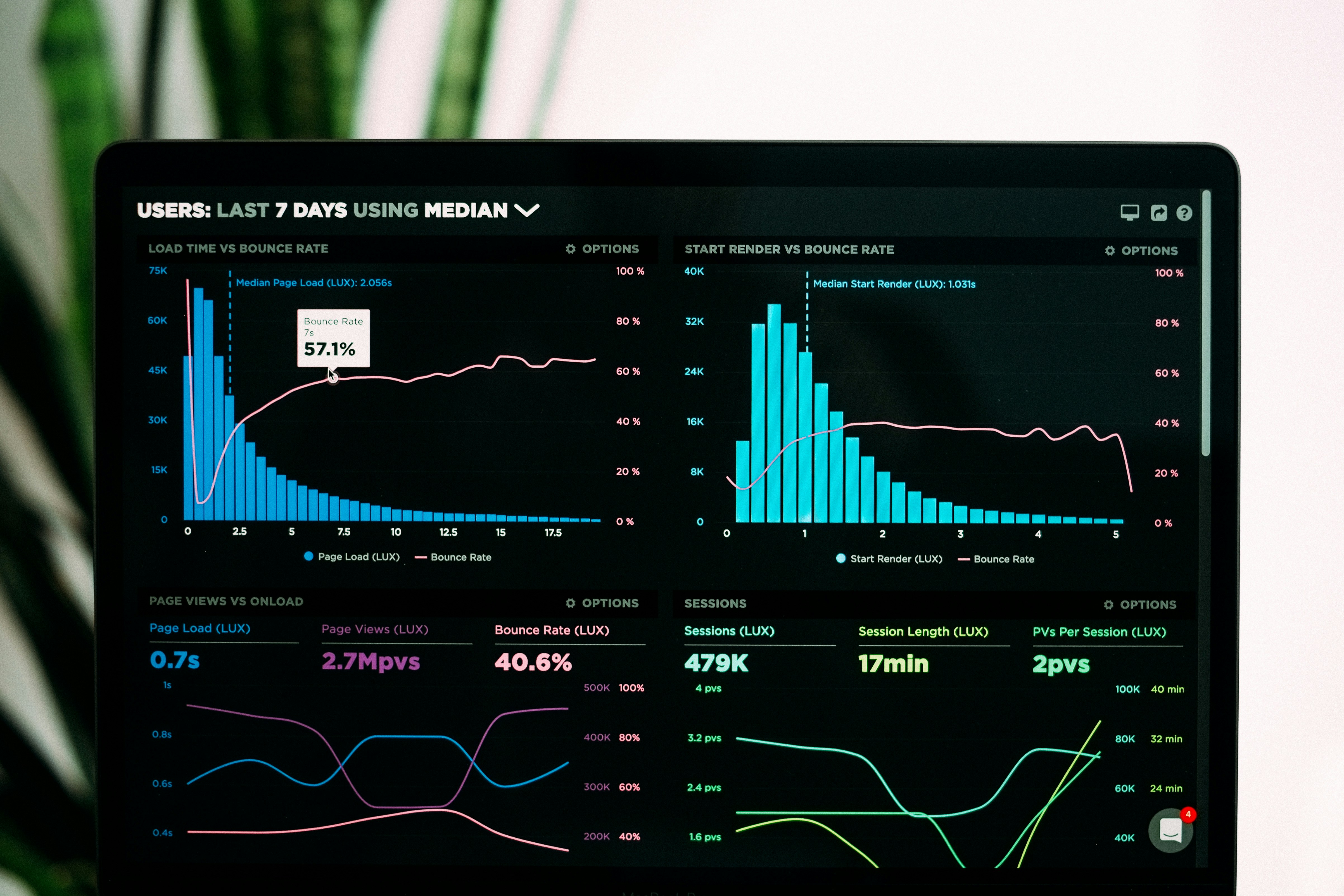
    stock market data

    Many beginner traders rely on tips from social media, Telegram groups, or friends. While some tips might occasionally work, relying on them consistently is extremely risky.

    The problem with tips is that you often don’t know:

    • Who is giving the advice
    • What analysis they used
    • Their risk management strategy
    • When they will exit the trade

    Professional traders build their own systems and rely on research rather than rumors.

    Solution: Learn technical analysis, fundamental analysis, and develop your own strategy instead of blindly following others.


    5. Lack of a Trading Plan

    Trading without a plan is essentially gambling. A trading plan defines:

    • Entry conditions
    • Exit strategy
    • Stop loss placement
    • Position sizing
    • Risk tolerance

    Without a plan, traders rely on guesswork and emotions.

    Solution: Write down a clear trading plan and follow it consistently.


    6. Ignoring Risk Management

    Many beginners focus only on profits and ignore risk. However, successful trading is more about protecting capital than making huge gains.

    Even the best trading strategies lose trades regularly. Proper risk management ensures that a few bad trades do not wipe out your account.

    Solution:

    • Never risk more than 1–2% per trade
    • Diversify trades
    • Use proper position sizing

    7. Lack of Patience

    Markets don’t always provide trading opportunities. Beginners often force trades because they feel they must always be active.

    However, patience is a key trait of successful traders. Waiting for the right setup can dramatically improve your trading results.


    8. Overconfidence After Wins

    After a few successful trades, beginners often become overconfident. They start increasing position sizes or ignoring their rules.

    This usually leads to large losses that erase previous profits.

    Solution: Treat every trade with the same level of discipline.


    9. Not Learning from Mistakes

    Many traders repeat the same mistakes because they never review their trades. A trading journal helps identify patterns in your decision-making.

    By analyzing your past trades, you can improve your strategy and eliminate bad habits.


    10. Unrealistic Expectations

    Many beginners believe trading will make them rich quickly. In reality, consistent profitability takes years of learning and practice.

    Professional traders spend significant time studying markets, testing strategies, and managing risk.

    Solution: Focus on steady improvement rather than quick profits.


    Final Thoughts

    Trading success is not about predicting every market move perfectly. Instead, it comes from discipline, risk management, patience, and continuous learning.

    If you can avoid the mistakes discussed above—especially overtrading, emotional decisions, ignoring stop losses, and following random tips—you will already be ahead of most beginner traders.

    Remember: The goal in trading is not to win every trade, but to protect your capital and grow it steadily over time.

  • How to start trading in stock market.

    If you’ve decided to start your stock market journey, the next step is understanding the basic setup required before you can place your first trade. Many beginners think trading is complicated, but once you understand the process, it becomes straightforward.

    In this guide, we’ll walk through the essential steps needed to start trading in the stock market. By the end of this article, you’ll understand what a Demat account is, what a trading account does, how to choose a broker, and how your first trade actually works.


    1. What is a Demat Account?

    A Demat account (short for Dematerialized account) is used to store your shares in digital form. In the past, stocks were issued as physical paper certificates, but today all shares are held electronically through Demat accounts.

    Think of a Demat account as a digital locker for your investments. Whenever you buy shares, they are stored safely in your Demat account. When you sell them, they are removed from the account.

    Why a Demat Account is Important

    • Stores shares electronically
    • Eliminates the risk of losing physical certificates
    • Makes buying and selling faster and easier
    • Tracks all your stock holdings in one place

    In India, Demat accounts are maintained by two main depositories:

    • NSDL (National Securities Depository Limited)
    • CDSL (Central Depository Services Limited)

    However, you usually do not open the account directly with them. Instead, brokers open and manage your Demat account through these depositories.


    2. What is a Trading Account?

    A trading account is the account you use to buy and sell stocks in the market. While the Demat account stores your shares, the trading account is used to place orders.

    Here’s a simple way to understand the difference:

    • Trading Account – Used to buy or sell stocks
    • Demat Account – Used to store stocks

    Whenever you buy shares, the process looks like this:

    1. You place a buy order using your trading account.
    2. The order is executed in the stock market.
    3. The purchased shares are transferred to your Demat account.

    Similarly, when you sell shares:

    1. You place a sell order through the trading account.
    2. The shares are removed from your Demat account.
    3. The money from the sale is credited to your trading account.

    Today, most brokers offer a combined trading and Demat account, so you can manage everything from one platform.


    3. How to Choose the Right Broker

    A stockbroker acts as the middleman between you and the stock exchange. Without a broker, you cannot directly buy or sell shares in the market.

    Choosing the right broker is important because it affects your trading costs, tools, and overall experience.

    Types of Stock Brokers

    1. Full-Service Brokers

    These brokers provide a wide range of services such as investment advice, research reports, portfolio management, and customer support.

    Examples include traditional brokerage firms that charge higher fees but offer personalized guidance.

    2. Discount Brokers

    Discount brokers offer a trading platform with lower brokerage charges. They usually do not provide personalized investment advice but focus on fast, low-cost trading.

    Most modern traders prefer discount brokers because of their affordability and simple mobile apps.

    Factors to Consider When Choosing a Broker

    • Brokerage charges
    • Ease of using the trading platform
    • Mobile app reliability
    • Customer support
    • Account opening charges
    • Research tools and charts

    Before opening an account, always compare a few brokers and read user reviews.


    4. Documents Required to Open a Trading and Demat Account

    Opening a trading account in India is a quick online process. Most brokers allow you to complete it in less than 15 minutes.

    You usually need the following documents:

    • PAN card
    • Aadhaar card
    • Bank account details
    • Passport-size photo
    • Digital signature

    After verification, your account is activated and you can start trading.


    5. Understanding Your First Trade

    Now that you know the basics, let’s look at how your first trade works in a simple example.

    Step-by-Step Example

    Imagine you want to buy shares of a company.

    1. You log into your broker’s trading app.
    2. You search for the company’s stock.
    3. You check the current market price.
    4. You select the number of shares you want to buy.
    5. You place a buy order.

    If the order is matched with a seller in the market, the trade is executed.

    Example Scenario

    Let’s say a company’s stock is trading at ₹500.

    • You buy 10 shares
    • Total investment = ₹500 × 10 = ₹5,000

    After the trade is completed:

    • The shares appear in your Demat account
    • The amount is deducted from your trading account balance

    If the stock price later increases to ₹600 and you sell the shares:

    • Sale value = ₹600 × 10 = ₹6,000
    • Profit (before charges) = ₹1,000

    This simple process is how traders make profits by buying low and selling high.


    6. Types of Orders You Can Place

    When placing trades, you can choose different types of orders.

    Market Order

    A market order buys or sells a stock immediately at the current market price.

    Limit Order

    A limit order allows you to specify the exact price at which you want to buy or sell a stock.

    For example, if a stock is trading at ₹500 but you want to buy it at ₹480, you can place a limit order.


    7. Tips Before Placing Your First Trade

    Many beginners rush into trading without preparation. Here are a few simple tips to keep in mind before placing your first trade.

    • Start with a small amount of money
    • Avoid trading based on rumors
    • Research the company before buying
    • Learn basic stock charts
    • Be patient and focus on learning

    Remember, the goal in the beginning is not to make huge profits but to understand how the market works.


    Conclusion

    Starting your trading journey is easier than most people think. Once you open a Demat account and a trading account with a reliable broker, you can begin buying and selling stocks through a simple online platform.

    Understanding how accounts work, choosing the right broker, and learning the order process will give you the confidence to make your first trade.

    In the next lesson, we’ll explore how the stock market actually works, including stock exchanges, buyers and sellers, and how prices move.

  • Market New Strategies.

    10 Powerful Market Strategies Every Beginner Trader Must Learn

    Reading Time: 10 Minutes

    Trading in the stock market can seem complicated for beginners. With thousands of stocks, constant price movements, and endless advice available online, new traders often feel confused about where to start. The truth is that successful traders do not rely on luck — they follow proven market strategies and disciplined systems.

    If you are beginning your journey in the financial markets, learning the right strategies early can save you from costly mistakes. In this guide from Masters With Market Guru, we will explore some of the most effective market strategies that beginners should understand before placing their first trade.

    These strategies are simple, practical, and widely used by professional traders around the world.


    1. Trend Following Strategy

    One of the most popular strategies in trading is the trend following strategy. The idea behind this approach is simple: the market often moves in trends, and traders aim to trade in the same direction as the trend.

    Instead of predicting reversals, trend followers focus on identifying whether the market is moving upward, downward, or sideways.

    How to Identify a Trend

    • Higher highs and higher lows indicate an uptrend.
    • Lower highs and lower lows indicate a downtrend.
    • Sideways price movement indicates consolidation.

    Traders commonly use moving averages such as the 50-day or 200-day moving average to confirm the direction of a trend.

    The key principle here is simple: “The trend is your friend.”


    2. Breakout Trading Strategy

    Breakout trading focuses on identifying key levels where the price has previously struggled to move beyond. When price finally breaks through these levels with strong volume, it often leads to powerful moves.

    Common Breakout Areas

    • Support levels
    • Resistance levels
    • Trendline breaks
    • Chart pattern breakouts

    For example, if a stock has repeatedly failed to move above ₹500 but finally breaks above that level with high volume, traders often expect the price to continue rising.

    However, beginners should be cautious because false breakouts can occur. Always wait for confirmation before entering a trade.


    3. Support and Resistance Strategy

    Support and resistance levels are fundamental concepts in technical analysis. They represent price levels where buying or selling pressure has historically been strong.

    Support Level

    Support is a price level where demand is strong enough to stop the price from falling further.

    Resistance Level

    Resistance is a level where selling pressure prevents the price from moving higher.

    Traders often buy near support and sell near resistance. When these levels break, they can signal the start of a new trend.


    4. Moving Average Strategy

    Moving averages help traders smooth out price data and identify the overall market direction. They are one of the most widely used indicators in trading.

    Popular Moving Averages

    • 20-Day Moving Average
    • 50-Day Moving Average
    • 100-Day Moving Average
    • 200-Day Moving Average

    A common strategy is the moving average crossover.

    For example:

    • When a short-term moving average crosses above a long-term moving average, it may signal a buying opportunity.
    • When it crosses below, it may indicate a potential selling opportunity.

    This strategy is widely used by swing traders and long-term investors.


    5. Risk Management Strategy

    Even the best trading strategy will fail without proper risk management. Many beginners lose money not because their strategy is wrong, but because they risk too much capital on a single trade.

    Important Risk Management Rules

    • Never risk more than 1–2% of your capital per trade.
    • Always use stop-loss orders.
    • Avoid emotional trading.
    • Maintain proper position sizing.

    Professional traders focus more on protecting their capital than chasing profits.


    6. Swing Trading Strategy

    Swing trading is ideal for traders who cannot watch the market all day. This strategy focuses on capturing short to medium-term price movements.

    Swing traders typically hold trades for a few days to a few weeks.

    Key Tools Used in Swing Trading

    • Trend analysis
    • Support and resistance
    • Momentum indicators
    • Chart patterns

    This strategy works well in trending markets where price moves in waves.


    7. Price Action Trading

    Price action trading focuses purely on price movement without relying heavily on indicators. Traders study candlestick patterns, market structure, and key levels to make decisions.

    Common Price Action Signals

    • Pin bars
    • Engulfing candles
    • Inside bars
    • Doji candles

    Price action trading is widely used by professional traders because it simplifies decision-making and focuses on raw market behavior.


    8. News-Based Trading

    Financial markets react strongly to economic news, corporate announcements, and global events. News-based traders monitor these developments and trade based on market reactions.

    Examples of market-moving news include:

    • Company earnings reports
    • Interest rate decisions
    • Economic data releases
    • Government policy changes

    However, beginners should be cautious when trading news because price volatility can increase significantly during such events.


    9. Long-Term Investing Strategy

    Not every market participant needs to trade frequently. Long-term investing focuses on buying strong companies and holding them for years.

    This strategy relies more on fundamental analysis than technical analysis.

    Factors to Consider

    • Company earnings growth
    • Industry strength
    • Management quality
    • Competitive advantage

    Many of the world’s most successful investors have built wealth using long-term investing strategies.


    10. Discipline and Psychology

    One of the most overlooked aspects of trading is psychology. Emotional decisions often lead to poor trading outcomes.

    Successful traders develop strong discipline and follow their trading plan consistently.

    Common Psychological Mistakes

    • Overtrading
    • Revenge trading after losses
    • Fear of missing out (FOMO)
    • Holding losing trades too long

    Maintaining emotional control is essential for long-term success in the market.


    Final Thoughts

    Learning market strategies takes time, patience, and continuous practice. Beginners should avoid rushing into complex systems and instead focus on understanding the fundamentals first.

    Start with simple strategies such as trend following, support and resistance, and risk management. As your experience grows, you can gradually explore more advanced techniques.

    Remember that successful trading is not about making quick profits — it is about building consistent habits and protecting your capital.

    At Masters With Market Guru, our goal is to help you understand the market step by step so you can trade with confidence and clarity.

    Stay tuned for more daily learning guides where we break down trading concepts, strategies, and real market insights for beginners and aspiring traders.


    Disclaimer: This article is for educational purposes only and does not constitute financial advice. Always conduct your own research before making investment decisions.

  • Market New Strategies.

    10 Powerful Market Strategies Every Beginner Trader Must Learn

    Reading Time: 10 Minutes

    Trading in the stock market can seem complicated for beginners. With thousands of stocks, constant price movements, and endless advice available online, new traders often feel confused about where to start. The truth is that successful traders do not rely on luck — they follow proven market strategies and disciplined systems.

    If you are beginning your journey in the financial markets, learning the right strategies early can save you from costly mistakes. In this guide from Masters With Market Guru, we will explore some of the most effective market strategies that beginners should understand before placing their first trade.

    These strategies are simple, practical, and widely used by professional traders around the world.


    1. Trend Following Strategy

    One of the most popular strategies in trading is the trend following strategy. The idea behind this approach is simple: the market often moves in trends, and traders aim to trade in the same direction as the trend.

    Instead of predicting reversals, trend followers focus on identifying whether the market is moving upward, downward, or sideways.

    How to Identify a Trend

    • Higher highs and higher lows indicate an uptrend.
    • Lower highs and lower lows indicate a downtrend.
    • Sideways price movement indicates consolidation.

    Traders commonly use moving averages such as the 50-day or 200-day moving average to confirm the direction of a trend.

    The key principle here is simple: “The trend is your friend.”


    2. Breakout Trading Strategy

    Breakout trading focuses on identifying key levels where the price has previously struggled to move beyond. When price finally breaks through these levels with strong volume, it often leads to powerful moves.

    Common Breakout Areas

    • Support levels
    • Resistance levels
    • Trendline breaks
    • Chart pattern breakouts

    For example, if a stock has repeatedly failed to move above ₹500 but finally breaks above that level with high volume, traders often expect the price to continue rising.

    However, beginners should be cautious because false breakouts can occur. Always wait for confirmation before entering a trade.


    3. Support and Resistance Strategy

    Support and resistance levels are fundamental concepts in technical analysis. They represent price levels where buying or selling pressure has historically been strong.

    Support Level

    Support is a price level where demand is strong enough to stop the price from falling further.

    Resistance Level

    Resistance is a level where selling pressure prevents the price from moving higher.

    Traders often buy near support and sell near resistance. When these levels break, they can signal the start of a new trend.


    4. Moving Average Strategy

    Moving averages help traders smooth out price data and identify the overall market direction. They are one of the most widely used indicators in trading.

    Popular Moving Averages

    • 20-Day Moving Average
    • 50-Day Moving Average
    • 100-Day Moving Average
    • 200-Day Moving Average

    A common strategy is the moving average crossover.

    For example:

    • When a short-term moving average crosses above a long-term moving average, it may signal a buying opportunity.
    • When it crosses below, it may indicate a potential selling opportunity.

    This strategy is widely used by swing traders and long-term investors.


    5. Risk Management Strategy

    Even the best trading strategy will fail without proper risk management. Many beginners lose money not because their strategy is wrong, but because they risk too much capital on a single trade.

    Important Risk Management Rules

    • Never risk more than 1–2% of your capital per trade.
    • Always use stop-loss orders.
    • Avoid emotional trading.
    • Maintain proper position sizing.

    Professional traders focus more on protecting their capital than chasing profits.


    6. Swing Trading Strategy

    Swing trading is ideal for traders who cannot watch the market all day. This strategy focuses on capturing short to medium-term price movements.

    Swing traders typically hold trades for a few days to a few weeks.

    Key Tools Used in Swing Trading

    • Trend analysis
    • Support and resistance
    • Momentum indicators
    • Chart patterns

    This strategy works well in trending markets where price moves in waves.


    7. Price Action Trading

    Price action trading focuses purely on price movement without relying heavily on indicators. Traders study candlestick patterns, market structure, and key levels to make decisions.

    Common Price Action Signals

    • Pin bars
    • Engulfing candles
    • Inside bars
    • Doji candles

    Price action trading is widely used by professional traders because it simplifies decision-making and focuses on raw market behavior.


    8. News-Based Trading

    Financial markets react strongly to economic news, corporate announcements, and global events. News-based traders monitor these developments and trade based on market reactions.

    Examples of market-moving news include:

    • Company earnings reports
    • Interest rate decisions
    • Economic data releases
    • Government policy changes

    However, beginners should be cautious when trading news because price volatility can increase significantly during such events.


    9. Long-Term Investing Strategy

    Not every market participant needs to trade frequently. Long-term investing focuses on buying strong companies and holding them for years.

    This strategy relies more on fundamental analysis than technical analysis.

    Factors to Consider

    • Company earnings growth
    • Industry strength
    • Management quality
    • Competitive advantage

    Many of the world’s most successful investors have built wealth using long-term investing strategies.


    10. Discipline and Psychology

    One of the most overlooked aspects of trading is psychology. Emotional decisions often lead to poor trading outcomes.

    Successful traders develop strong discipline and follow their trading plan consistently.

    Common Psychological Mistakes

    • Overtrading
    • Revenge trading after losses
    • Fear of missing out (FOMO)
    • Holding losing trades too long

    Maintaining emotional control is essential for long-term success in the market.


    Final Thoughts

    Learning market strategies takes time, patience, and continuous practice. Beginners should avoid rushing into complex systems and instead focus on understanding the fundamentals first.

    Start with simple strategies such as trend following, support and resistance, and risk management. As your experience grows, you can gradually explore more advanced techniques.

    Remember that successful trading is not about making quick profits — it is about building consistent habits and protecting your capital.

    At Masters With Market Guru, our goal is to help you understand the market step by step so you can trade with confidence and clarity.

    Stay tuned for more daily learning guides where we break down trading concepts, strategies, and real market insights for beginners and aspiring traders.


    Disclaimer: This article is for educational purposes only and does not constitute financial advice. Always conduct your own research before making investment decisions.

  • Basic to Advance level market learning.

    Stock Market Basics for Beginners

    A complete beginner guide to understanding how the stock market works and how traders analyze market movements.


    Introduction to the Stock Market

    The stock market is one of the most important financial systems in the world. It allows companies to raise capital and investors to participate in the growth of businesses. When you buy shares of a company, you are essentially purchasing a small ownership stake in that company.

    Stock markets operate through exchanges where buyers and sellers meet to trade securities. These markets play a critical role in economic growth because they help businesses expand and provide investment opportunities for individuals.

    Many people think the stock market is only for professional traders, but today anyone can participate with a basic understanding of how markets work.


    How the Stock Market Works

    The stock market works based on supply and demand. When more investors want to buy a stock, the demand increases and the price goes up. When more investors want to sell a stock, the supply increases and the price goes down.

    Stock prices constantly change throughout the trading day as new information enters the market. News about company earnings, economic data, global events, and investor sentiment all influence market prices.

    Stock exchanges provide a transparent environment where buyers and sellers can trade securities efficiently.


    Major Stock Market Participants

    Retail Investors

    Retail investors are individual traders who buy and sell stocks for personal investment purposes. Many retail traders participate in the market using online trading platforms.

    Institutional Investors

    Institutional investors include mutual funds, hedge funds, banks, and insurance companies. These institutions manage large amounts of money and can influence market movements significantly.

    Market Makers

    Market makers provide liquidity to the market by continuously offering to buy and sell securities. Their role ensures that trading remains smooth and efficient.


    Types of Trading in the Stock Market

    There are several different trading styles used by investors and traders depending on their goals and strategies.

    Long Term Investing

    Long term investors buy stocks with the intention of holding them for months or years. They focus on company fundamentals and long-term growth potential.

    Intraday Trading

    Intraday traders open and close positions within the same trading day. They aim to profit from small price movements during market hours.

    Swing Trading

    Swing traders hold positions for several days or weeks to capture medium-term price movements.

    Options Trading

    Options trading involves contracts that give traders the right to buy or sell an asset at a specific price within a certain time period.


    Understanding Market Trends

    One of the most important concepts in trading is identifying the market trend. Markets generally move in three directions:

    • Uptrend: Prices are consistently moving higher.
    • Downtrend: Prices are consistently moving lower.
    • Sideways Trend: Prices move within a range without a clear direction.

    Traders often follow the trend because trading in the direction of the trend increases the probability of successful trades.


    Technical Analysis

    Technical analysis is the study of historical price movements and chart patterns to predict future price behavior.

    Traders use charts and indicators to identify patterns that repeat over time. This method focuses on price action rather than company fundamentals.

    Technical analysis is widely used in short-term trading strategies.


    Common Technical Indicators

    Technical indicators help traders analyze price momentum and trends. Some of the most widely used indicators include:

    • Exponential Moving Average (EMA)
    • MACD (Moving Average Convergence Divergence)
    • Relative Strength Index (RSI)
    • Stochastic Oscillator
    • Volume indicators

    Each indicator provides different insights into market behavior and can help traders make more informed decisions.


    Support and Resistance Levels

    Support and resistance are key price levels where markets often react.

    Support represents a price level where buyers enter the market and prevent the price from falling further.

    Resistance represents a price level where sellers enter the market and prevent the price from moving higher.

    Understanding these levels helps traders determine potential entry and exit points.


    Risk Management

    Risk management is one of the most important aspects of successful trading. Even experienced traders can experience losses, so controlling risk is essential.

    Key risk management principles include:

    • Using stop-loss orders to limit losses
    • Risking only a small percentage of capital per trade
    • Avoiding emotional trading decisions
    • Maintaining a disciplined trading plan

    Psychology of Trading

    Trading is not only about technical analysis but also about controlling emotions. Fear and greed can cause traders to make poor decisions.

    Successful traders focus on discipline, patience, and consistent strategies rather than chasing quick profits.

    Developing the right trading mindset is essential for long-term success.


    Final Thoughts

    The stock market offers exciting opportunities for those who are willing to learn and practice disciplined trading strategies. Understanding the basics of how markets work is the first step toward becoming a knowledgeable trader.

    By learning about trends, technical indicators, and risk management, traders can improve their ability to analyze markets and make better trading decisions.

    Continuous learning and patience are key factors in building long-term success in the financial markets.


    About Market Guru

    Market Guru is an educational platform created to simplify stock market learning for beginners. Our goal is to explain trading concepts, technical indicators, and market analysis in a clear and practical way.

    Through step-by-step guides, strategy explanations, and market insights, Market Guru helps traders build strong knowledge and confidence in the financial markets.